
Natural Disasters
Evaluate the Economic Impacts of Natural Disasters to Reduce Risk
When extreme weather or natural disasters threaten communities, industries, or supply chains, IMPLAN helps you assess economic impacts and plan mitigation strategies with confidence.

When Natural Disasters Put Economies at Risk
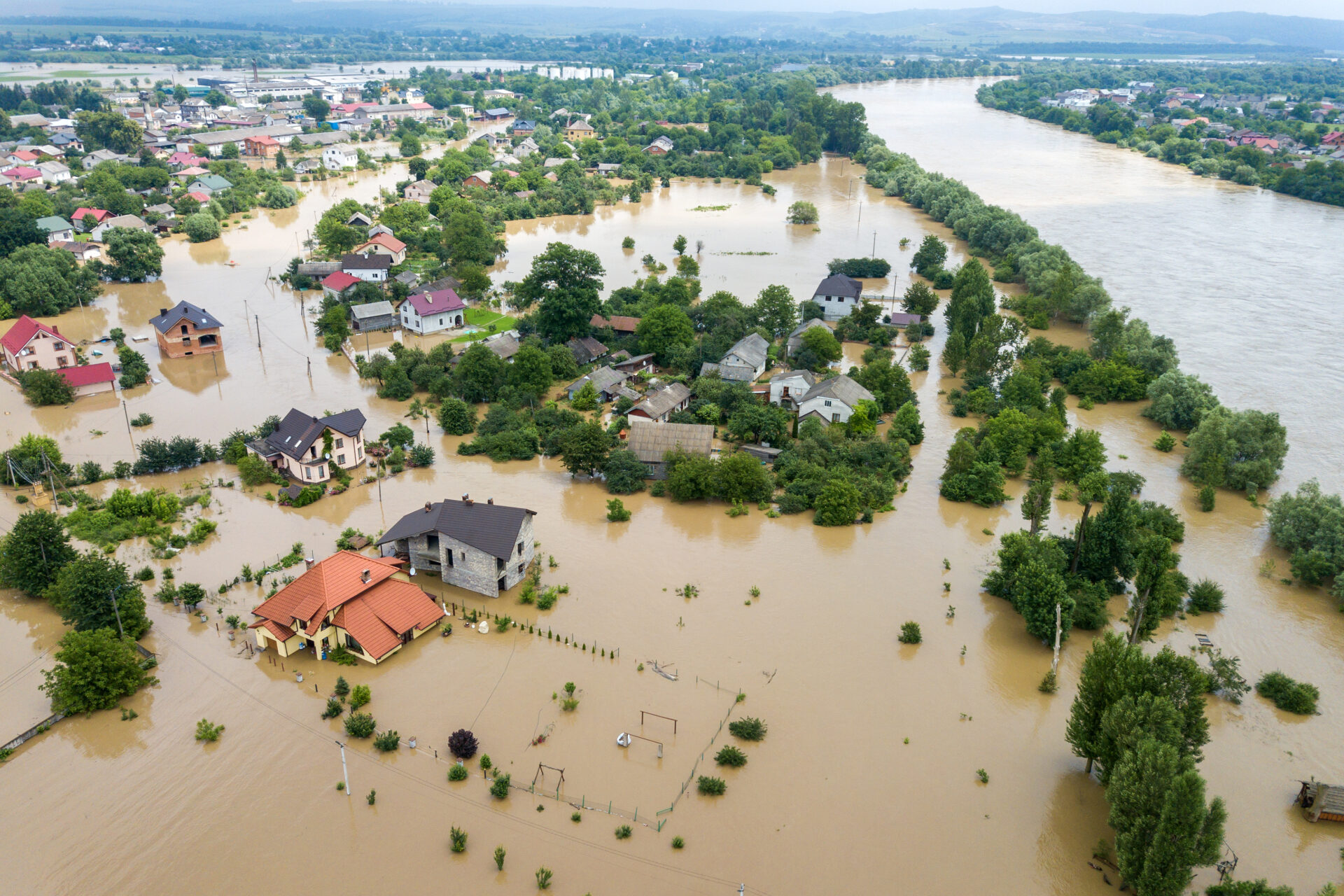
Natural disasters, such as hurricanes, floods, wildfires, and earthquakes, can disrupt economies long after the immediate damage is done. Beyond physical losses, these events affect employment, supply chains, public finances, and long-term regional resilience.
Organizations must often make decisions under uncertainty, balancing preparedness, response, and recovery with limited time and resources.
Turn Uncertainty Into Actionable Insight
IMPLAN supports natural disaster analysis by translating complex economic disruptions into clear, scenario-based insights that decision-makers can use to plan and respond effectively.
With IMPLAN, you can:
- Evaluate the economic impacts of natural disasters across industries and regions
- Model alternative scenarios to assess potential outcomes
- Identify vulnerabilities in supply chains and regional economies
- Support disaster preparedness, resilience, and recovery planning
- Communicate economic impacts clearly to stakeholders and policymakers
Who Uses IMPLAN for Natural Disasters?
This is commonly applied by:
- Government and emergency management agencies
- Infrastructure and utility organizations
- Manufacturing and agriculture operations
- Healthcare systems
- Consultants supporting risk and resilience planning
- Government and emergency management agencies
- Infrastructure and utility organizations
- Manufacturing and agriculture operations
- Healthcare systems
- Consultants supporting risk and resilience planning
- Government and emergency management agencies
- Infrastructure and utility organizations
- Manufacturing and agriculture operations
- Healthcare systems
- Consultants supporting risk and resilience planning
- Government and emergency management agencies
- Infrastructure and utility organizations
- Manufacturing and agriculture operations
- Healthcare systems
- Consultants supporting risk and resilience planning
- Government and emergency management agencies
- Infrastructure and utility organizations
- Manufacturing and agriculture operations
- Healthcare systems
- Consultants supporting risk and resilience planning
- Government and emergency management agencies
- Infrastructure and utility organizations
- Manufacturing and agriculture operations
- Healthcare systems
- Consultants supporting risk and resilience planning
- Government and emergency management agencies
- Infrastructure and utility organizations
- Manufacturing and agriculture operations
- Healthcare systems
- Consultants supporting risk and resilience planning
- Government and emergency management agencies
- Infrastructure and utility organizations
- Manufacturing and agriculture operations
- Healthcare systems
- Consultants supporting risk and resilience planning
- Government and emergency management agencies
- Infrastructure and utility organizations
- Manufacturing and agriculture operations
- Healthcare systems
- Consultants supporting risk and resilience planning
- Government and emergency management agencies
- Infrastructure and utility organizations
- Manufacturing and agriculture operations
- Healthcare systems
- Consultants supporting risk and resilience planning
Natural Disaster Analysis in Action
Organizations use IMPLAN to quantify the economic impacts of disasters, evaluate resilience strategies, and support planning decisions that reduce risk and improve recovery outcomes.
The Questions You Need to Answer
Natural disaster impact analysis often requires answers to questions such as:
What are the economic impacts of a disaster on our region or industry?
How will jobs, income, and output be affected?
Which industries or communities are most vulnerable?
How do different disaster scenarios compare economically?
What investments or mitigation strategies reduce long-term risk?
Related Solutions and Use Cases

See How to Plan for Economic Resilience
Explore how IMPLAN helps organizations evaluate the impacts of natural disasters and make informed decisions to protect economies, communities, and operations.